
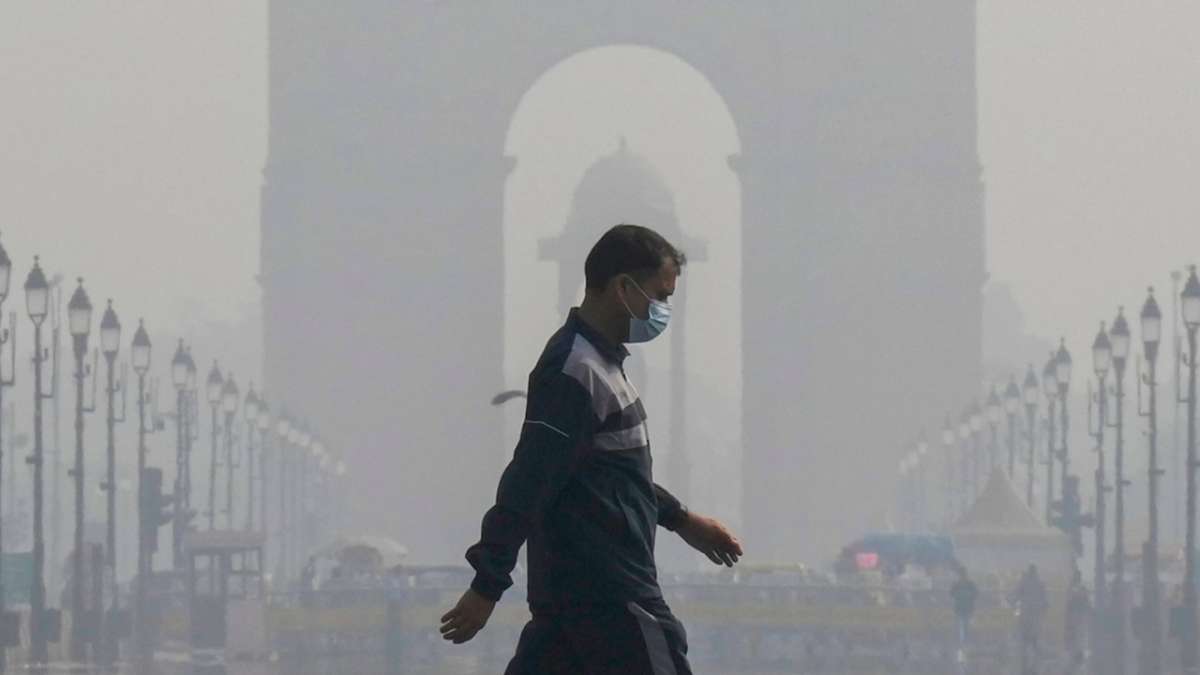
Air pollution has become a growing concern in many cities around the world, especially during certain seasons when the Air Quality Index rises to unhealthy or hazardous levels. High AQI pollution days can significantly affect your health, even if you are otherwise fit and active. Understanding how to protect yourself during these periods is essential for maintaining long-term well-being and reducing the risk of respiratory and cardiovascular problems.
Understanding What High AQI Means
The Air Quality Index is a measurement used to communicate how polluted the air currently is and how polluted it is forecast to become. When AQI levels rise above safe limits, the air contains higher concentrations of harmful particles and gases such as particulate matter, nitrogen dioxide, sulfur dioxide, and ozone. These pollutants can irritate the lungs, trigger allergies, worsen asthma, and increase the risk of serious health issues over time.
High AQI days are especially dangerous for children, older adults, pregnant women, and people with existing heart or lung conditions. However, even healthy individuals can experience short-term effects such as coughing, throat irritation, headaches, fatigue, and difficulty breathing when pollution levels remain high.
Limit Outdoor Exposure as Much as Possible
One of the most effective ways to protect yourself during high AQI pollution days is to reduce the amount of time you spend outdoors. When air quality is poor, pollutants are more concentrated in the open environment, making outdoor exposure more harmful. Try to stay indoors, especially during peak pollution hours which are often in the early morning and late evening.
If you must go outside, keep your trips short and avoid strenuous activities such as running, cycling, or heavy physical work. Physical exertion increases the rate at which you breathe, allowing more pollutants to enter your lungs. Choosing calmer activities and limiting unnecessary travel can significantly reduce your exposure.

Keep Indoor Air Clean and Safe
While staying indoors offers protection, indoor air quality can still be affected if outside pollutants enter your home. Keeping windows and doors closed during high AQI days helps prevent polluted air from seeping inside. Use weather stripping or door seals if needed to minimize gaps that allow outdoor air to enter.
Air purifiers with HEPA filters are highly effective at removing fine particulate matter from indoor air. Placing air purifiers in bedrooms and living areas can create a safer breathing environment, especially during extended pollution episodes. Regularly cleaning filters in air conditioners and air purifiers ensures they function efficiently and continue to provide clean air.
Wear a Protective Mask When Going Outside
When outdoor exposure is unavoidable, wearing a high-quality mask can offer an added layer of protection. Not all masks are effective against air pollution, so it is important to choose one that is designed to filter fine particles. Masks such as N95 or equivalent respirators are capable of filtering out a significant portion of harmful particulate matter when worn properly.
Ensure the mask fits snugly around your nose and mouth with minimal gaps. A poorly fitted mask reduces its effectiveness and allows polluted air to enter. While masks cannot eliminate all risks, they can substantially reduce the amount of pollutants you inhale during short outdoor activities.
Adjust Daily Routines During Pollution Peaks
Being mindful of daily routines can make a noticeable difference during high AQI days. Try to schedule essential outdoor tasks for times when pollution levels are relatively lower, often in the afternoon when atmospheric conditions allow pollutants to disperse more easily. Monitor local air quality reports regularly so you can plan your day accordingly.
Workouts and exercise routines should be modified during pollution episodes. Indoor exercise is a safer alternative that allows you to stay active without exposing your lungs to harmful air. If indoor workouts are not possible, choose low-intensity activities and keep sessions short.
Strengthen Your Body Through Diet and Hydration
A healthy diet can support your body in coping with the effects of air pollution. Foods rich in antioxidants help combat oxidative stress caused by pollutants. Including fruits and vegetables such as oranges, berries, spinach, broccoli, and carrots in your meals can support lung health and strengthen your immune system.
Staying well hydrated is equally important. Drinking enough water helps flush toxins from your body and keeps mucous membranes moist, which can improve your respiratory system’s ability to trap and expel harmful particles. Warm fluids like herbal teas and soups can also soothe the throat and reduce irritation caused by polluted air.
Protect Vulnerable Family Members
Special care should be taken to protect children, elderly family members, and individuals with pre-existing health conditions during high AQI pollution days. Children’s lungs are still developing, making them more sensitive to polluted air. Keep them indoors as much as possible and ensure their play areas have clean, filtered air.
For older adults and those with asthma, heart disease, or respiratory conditions, it is important to follow medical advice closely. Medications should be readily available, and symptoms such as shortness of breath or chest discomfort should never be ignored. In severe cases, seeking medical attention promptly can prevent complications.
Reduce Indoor Pollution Sources
During high AQI days, it becomes even more important to minimize sources of indoor pollution. Avoid smoking indoors and limit the use of candles, incense, or oil lamps. Cooking fumes can also contribute to indoor air pollution, so using exhaust fans or cooking simple meals can help maintain cleaner air inside the home.
Household cleaning products with strong chemicals may release irritants into the air. Choosing mild or natural cleaning alternatives and ensuring proper ventilation can help reduce additional stress on your respiratory system.
Stay Informed and Plan Ahead
Staying informed is a key part of protecting yourself during high AQI pollution days. Many weather and air quality apps provide real-time updates and forecasts that help you anticipate pollution spikes. Planning ahead allows you to stock up on essentials, adjust work schedules, and avoid unnecessary exposure.
Communities can also benefit from collective awareness. Encouraging workplaces, schools, and local organizations to adopt pollution safety measures such as flexible schedules or remote work options can reduce overall exposure and protect public health.
Long-Term Habits for Better Protection
While immediate actions are crucial during high AQI days, adopting long-term habits can improve resilience against air pollution. Maintaining a healthy lifestyle, strengthening lung capacity through regular indoor exercise, and investing in air quality solutions at home contribute to better protection over time.
Advocating for cleaner air policies and sustainable practices within your community also plays an important role. Reducing pollution at its source is the most effective way to protect future generations and improve overall quality of life.
Final Thoughts
High AQI pollution days are an unfortunate reality in many parts of the world, but taking proactive steps can significantly reduce their impact on your health. By limiting exposure, maintaining clean indoor air, wearing protective masks, and supporting your body through proper nutrition and hydration, you can navigate these challenging days more safely. Awareness, preparation, and mindful lifestyle adjustments are the strongest tools you have to protect yourself and your loved ones when air quality takes a turn for the worse.
