
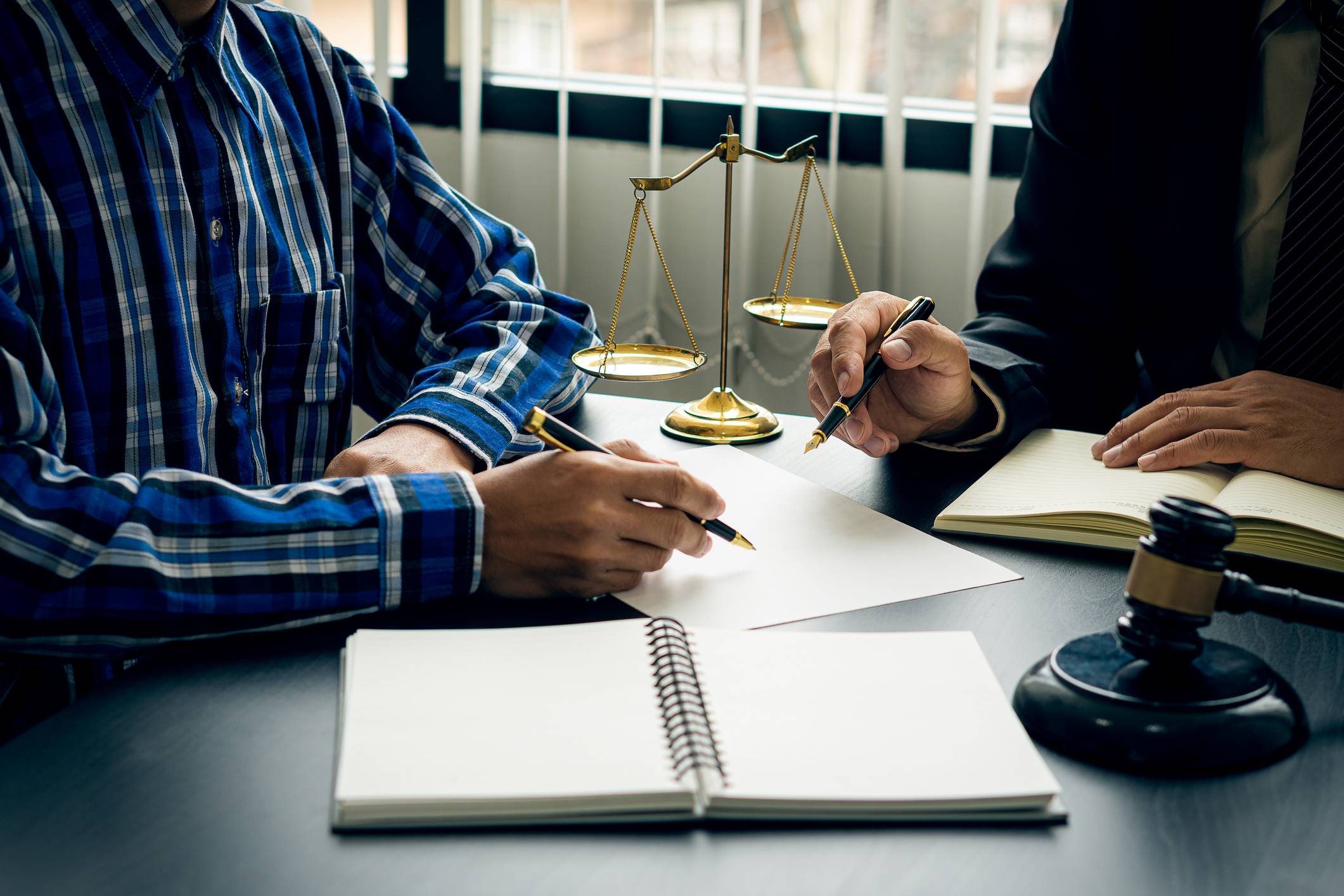
Facing a DUI charge can be a stressful and confusing experience. A conviction can lead to serious consequences such as fines, license suspension, increased insurance rates, and even jail time. Because the stakes are so high, building a strong legal defense becomes extremely important. A skilled DUI defense attorney Dallas understands how to examine every detail of a case and develop a strategy designed to protect the client’s rights and minimize potential penalties.
Creating a successful defense is not simply about arguing in court. It involves careful investigation, legal knowledge, and strategic planning. From reviewing evidence to challenging procedures used by law enforcement, experienced attorneys use multiple methods to strengthen their clients’ cases.
Understanding the Details of the Arrest
The first step in building a strong legal strategy is understanding exactly what happened during the arrest. A DUI defense attorney will sit down with the client and review the sequence of events leading up to the traffic stop, the interaction with law enforcement, and the testing procedures that followed.
This conversation often reveals important details that may not appear in official reports. For example, the driver may recall how the officer behaved, what instructions were given during field sobriety tests, or whether there were delays before breath or blood tests were conducted. These details help the attorney identify potential weaknesses in the prosecution’s case and begin developing a defense strategy based on the facts.
Reviewing Police Reports and Evidence
Police reports often play a significant role in DUI cases, but they are not always accurate or complete. A DUI defense attorney carefully reviews every line of the report to identify inconsistencies, missing information, or statements that could be challenged in court.
Attorneys also examine other forms of evidence such as dashcam footage, body camera recordings, and witness statements. These materials may reveal contradictions between what the officer wrote in the report and what actually occurred during the arrest. By analyzing these records closely, the defense attorney can uncover evidence that strengthens the client’s case and challenges the prosecution’s narrative.

Examining the Legality of the Traffic Stop
Law enforcement officers must have a valid reason to stop a vehicle. This is known as reasonable suspicion. If an officer pulls over a driver without observing a traffic violation or suspicious behavior, the stop may be considered unlawful.
A DUI defense attorney investigates the circumstances surrounding the stop to determine whether it was legally justified. Dashcam footage and officer testimony are often used to evaluate the situation. If the stop lacked proper legal grounds, the attorney may file a motion to suppress evidence obtained during the stop. This can significantly weaken the prosecution’s case and may even lead to dismissal of the charges.
Challenging Field Sobriety Tests
Field sobriety tests are commonly used by police officers to determine whether a driver may be impaired. These tests include activities such as walking in a straight line, standing on one leg, or following an object with the eyes. Although these tests are widely used, they are not always reliable indicators of intoxication.
A DUI defense attorney may challenge the accuracy of these tests by examining the conditions in which they were conducted. Uneven pavement, poor lighting, bad weather, or physical conditions such as injuries can affect a person’s ability to perform these tasks. By highlighting these factors, the attorney can argue that the test results do not accurately reflect impairment.
Questioning Breathalyzer and Chemical Tests
Breathalyzer and chemical tests are often used as key evidence in DUI cases. However, these tests must follow strict procedures to produce accurate results. If the equipment is not properly calibrated or the testing process is not handled correctly, the results may be unreliable.
A DUI defense attorney investigates the maintenance and calibration records of the testing device used during the arrest. The attorney also reviews whether the officer administering the test followed the required procedures. If errors are found, the attorney can challenge the validity of the test results in court, which may reduce the strength of the prosecution’s case.
Analyzing Blood Test Procedures
Blood tests are often considered more accurate than breath tests, but they also require strict handling procedures. The blood sample must be collected, labeled, stored, and transported properly to prevent contamination or misidentification.
A DUI defense attorney carefully examines the chain of custody for the blood sample. This includes reviewing who handled the sample and how it was stored before testing. Any gaps or irregularities in this process may create doubt about the reliability of the results. If the defense can show that proper procedures were not followed, the blood test evidence may be challenged in court.
Identifying Violations of Legal Rights
Every individual has constitutional rights that must be respected during an arrest and investigation. These rights include protection from unlawful searches, the right to remain silent, and the right to legal representation.
A DUI defense attorney evaluates whether law enforcement officers followed proper legal procedures during the arrest. If the officer conducted an illegal search, failed to follow arrest protocols, or violated the defendant’s rights, the attorney may ask the court to exclude certain evidence from the case. Removing critical evidence can greatly improve the chances of a favorable outcome.
Consulting Witnesses
In some DUI cases, witnesses play an important role in strengthening the defense strategy. Professionals may include toxicologists, medical professionals, or forensic professional who can explain scientific aspects of the case.
For example, a toxicologist might explain how alcohol is absorbed and processed by the body, which could support a defense related to rising blood alcohol levels. Medical proficient may also testify about conditions that could affect breath or blood test results. These proficient opinions help the court better understand the evidence and can introduce reasonable doubt about the prosecution’s claims.
Negotiating With Prosecutors
Not every DUI case goes to trial. In many situations, an experienced DUI defense attorney may negotiate with prosecutors to reach a more favorable outcome for the client. This could involve reducing charges, lowering penalties, or exploring alternative sentencing options.
Negotiation requires strong legal knowledge and the ability to present weaknesses in the prosecution’s case. When the defense attorney demonstrates that the evidence is questionable or that legal procedures were not followed properly, prosecutors may be more willing to offer a reduced charge or alternative resolution.
Preparing for Court and Trial
If a case proceeds to trial, preparation becomes extremely important. A DUI defense attorney develops a clear courtroom strategy that includes organizing evidence, preparing witnesses, and planning cross examination of law enforcement officers.
During the trial, the attorney challenges the prosecution’s evidence and presents arguments that support the client’s innocence or create reasonable doubt. Effective courtroom advocacy can significantly influence the final outcome of the case.
The Importance of a Strategic DUI Defense
Building a strong legal strategy requires careful analysis, legal experience, and attention to detail. Every DUI case presents unique circumstances, which means the defense approach must be tailored to the specific situation. An experienced DUI defense attorney understands how to evaluate evidence, challenge questionable procedures, and present a strong argument in court. With the right strategy and legal guidance, individuals facing DUI charges have a better opportunity to protect their rights and work toward the most favorable result possible.
About The Author
